Building a Personal Brand Without Turning Your Life Into Content
You don't need to document every part of your life to build a credible personal brand. Expertise, consistency and a clear point of view carry more weight than constant personal disclosure.

One of the most common reasons people avoid building a personal brand is the assumption that it requires documenting their entire life publicly. That assumption stops a lot of genuinely valuable expertise from ever reaching an audience. In reality, some of the most durable personal brands are built almost entirely on the work itself, with very little personal disclosure at all.
Expertise is a legitimate foundation on its own
A personal brand does not require a compelling personal story to work. It requires a consistent point of view, demonstrated expertise, and content that reliably delivers value to a specific audience. Someone who shares sharp, useful thinking about their field every week, without ever mentioning their personal life, can build just as much trust as someone who shares both — sometimes more, because the focus stays entirely on the value being delivered.
Where the pressure to overshare actually comes from
Much of the pressure to share personal details comes from observing creators in very different niches — lifestyle, entertainment, vlogging — where personal disclosure is the format itself. Applying that same expectation to a professional or expertise-driven personal brand is a mismatch. A financial educator, a consultant or a specialist does not need to adopt the disclosure norms of an entertainment creator to build a credible audience.
- Decide in advance what topics are always off-limits, so boundaries don't have to be improvised under pressure.
- Share process and thinking rather than private life details — how you approach a problem is often more interesting than personal context anyway.
- Let consistency of expertise build trust over time, rather than relying on emotional disclosure to create connection quickly.
Boundaries that don't undermine authenticity
Choosing not to share certain things does not make a personal brand feel less authentic — as long as what is shared is genuine. Authenticity is about the content being a true reflection of real expertise and perspective, not about the volume of personal information disclosed. A tightly bounded personal brand can feel more authentic than an oversharing one, simply because the audience trusts that what is being shared is intentional rather than performative.
What to share instead
Process, reasoning and perspective travel further than most people expect. Explaining how a decision was made, what a mistake taught you professionally, or how you think through a specific type of problem gives an audience genuine insight into how you operate — without requiring any disclosure about your private life. This kind of content is often more useful to an audience than personal storytelling anyway, because it is directly applicable to their own situation.
A practical starting boundary
A simple starting rule works well for most people building a bounded personal brand: share anything related to how you think, work or approach your field, and treat everything else — family, health, relationships, location — as private by default unless there's a specific, deliberate reason to include it. This single rule removes most of the moment-to-moment anxiety about what is or isn't appropriate to post.
Frequently asked questions
Yes. Many durable personal brands are built primarily on consistent expertise and a clear point of view, with very little personal disclosure. The disclosure-heavy approach is common in some niches, but it is not a requirement for building trust and authority in general.
Not necessarily. Trust is built through consistency, genuine expertise and useful content over time. Personal disclosure is one way to build connection, but it isn't the only way, and for many professional or expertise-driven brands it isn't the most relevant one.
Process and reasoning tend to work well: how you approach a problem, what a specific mistake taught you professionally, or how you think through decisions in your field. This gives an audience real insight into how you operate without requiring private disclosure.
A practical starting rule is to share anything related to how you think, work or approach your field, and treat other areas — family, health, relationships, location — as private by default unless there's a specific reason to include them.
No — authenticity is about the content you do share being a genuine reflection of your real expertise and perspective, not about how much personal information is disclosed. A bounded, intentional brand can feel more authentic than an oversharing one.
It depends on the platform and audience, but many expertise-driven creators successfully build strong followings by focusing on process, insight and a clear point of view rather than personal storytelling — even on platforms where personal content is common.
Ready to put this into practice?
Tell us what you’re building and where you want to grow — we’ll help you turn it into a system.
Related reading
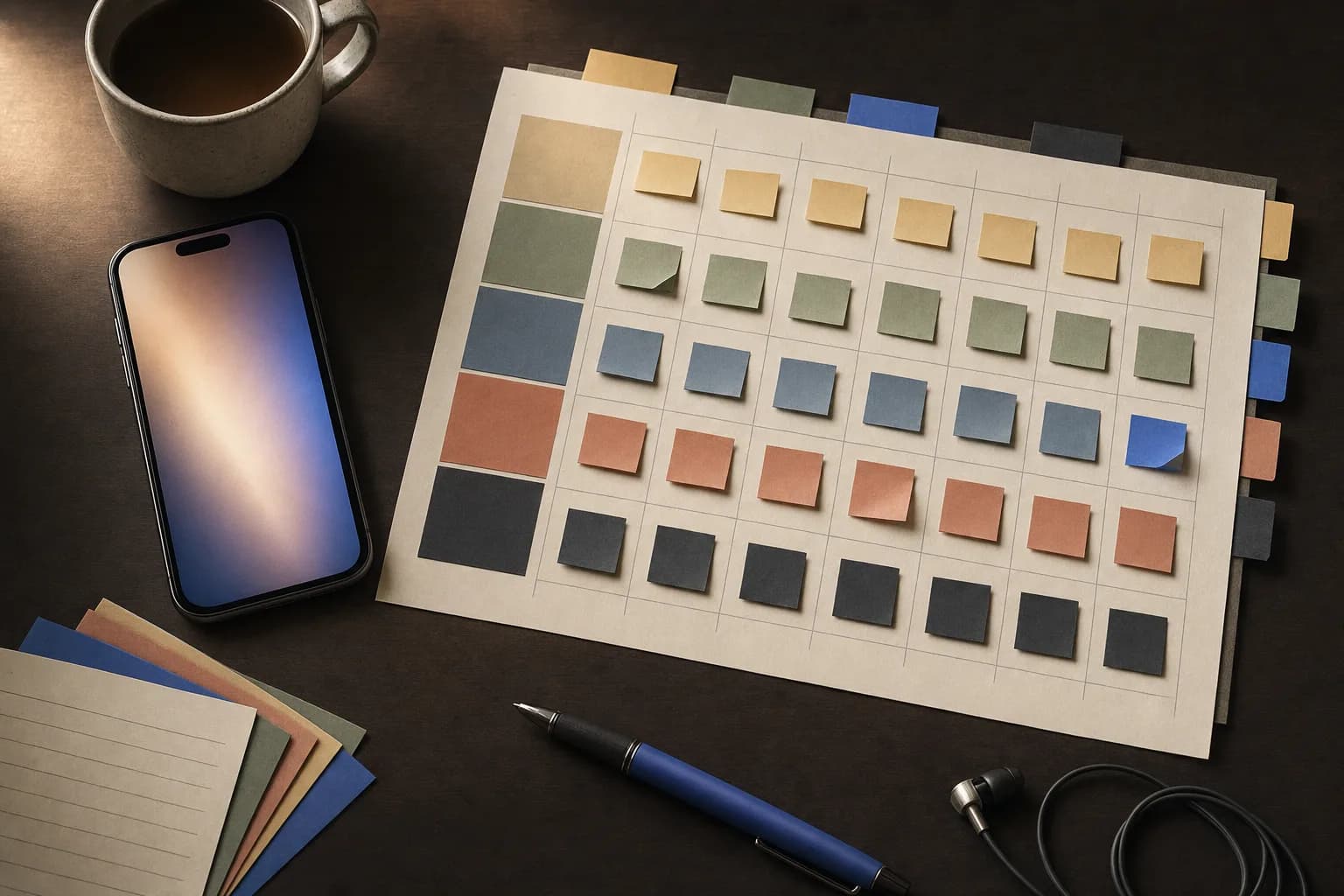
How to Adapt Your Tone for Each Social Media Platform Without Losing Your Voice
Sounding native on LinkedIn, TikTok and Instagram doesn't mean becoming four different people. Here's how to separate the part of your voice that should never move from the parts that should flex by platform.
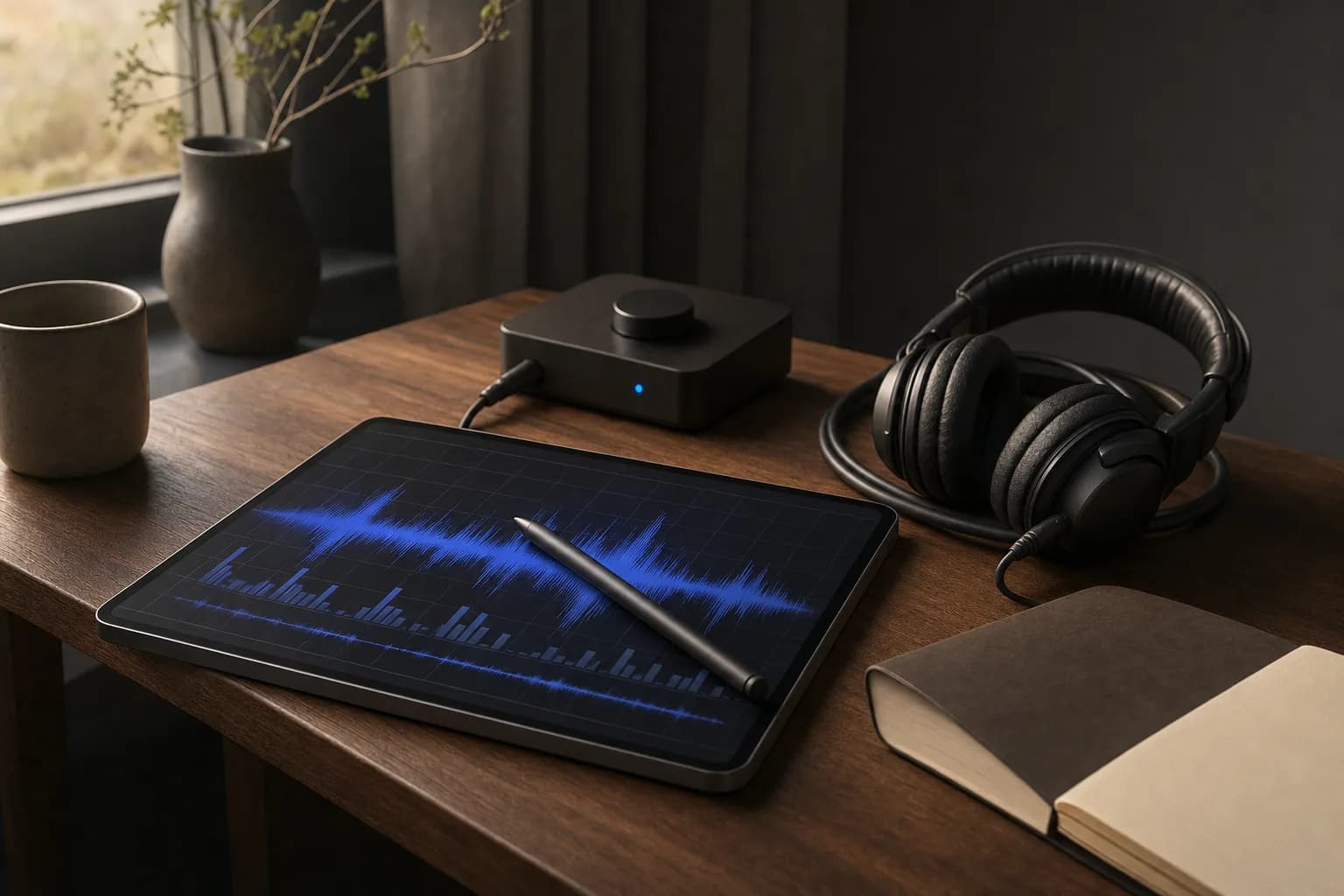
The Role of Sound and Music in Shaping a Brand's Creative Direction
Most personal brands document their colours, fonts and tone of voice — then leave audio to whatever the editor found in a stock library that morning. Here's how to treat sound as a deliberate part of your creative direction.